
What Level of Transmission Noise Is Determined by Mechanical Gear Materials?
Looking to cut down equipment transmission noise? Noise level is determined not only by precision gear machining but also directly by the selection of mechanical gear materials. Among numerous factors governing gear performance, material selection stands undeniably as a critical component. What distinct characteristics do various gear materials possess, and how can they contribute to noise reduction? Let’s delve into this topic from multiple perspectives.
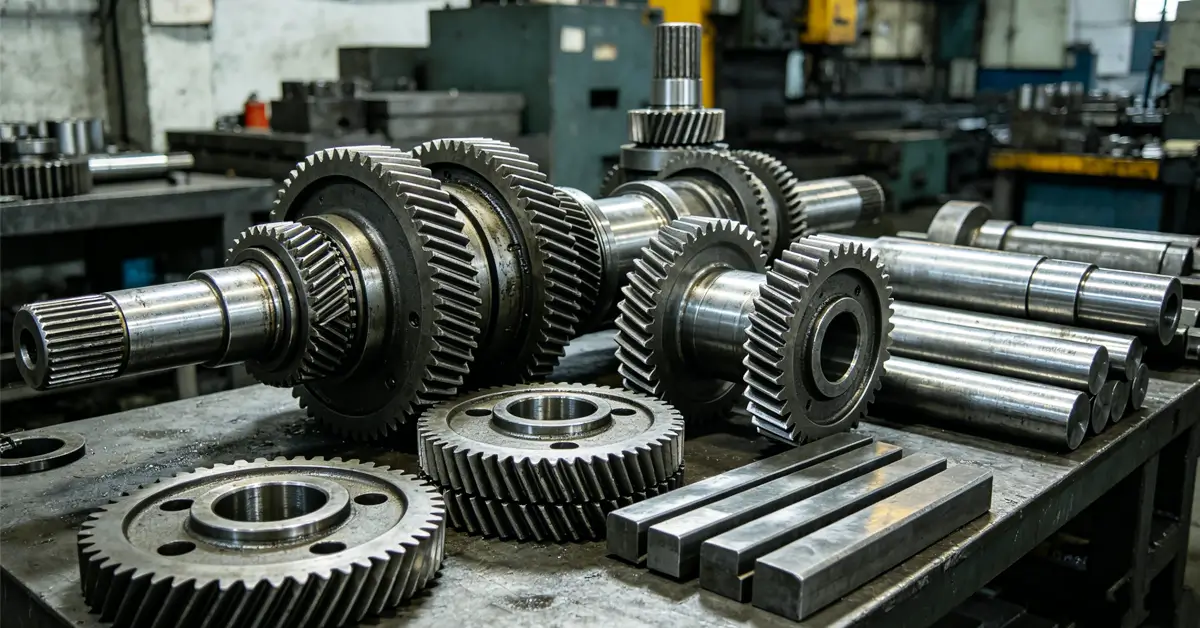
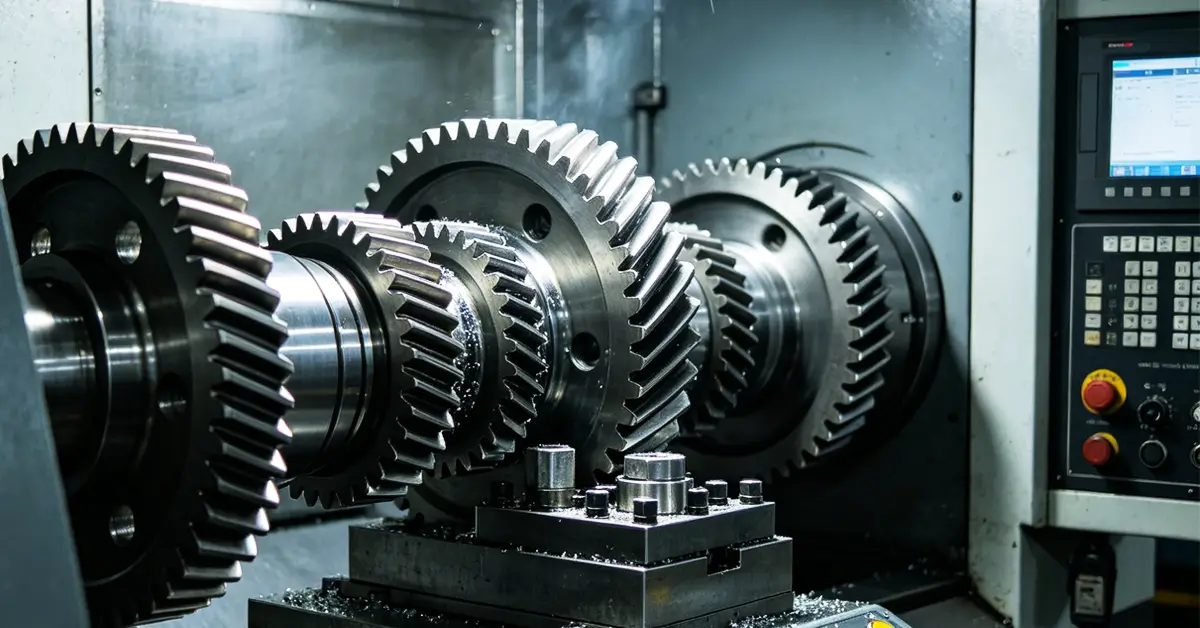
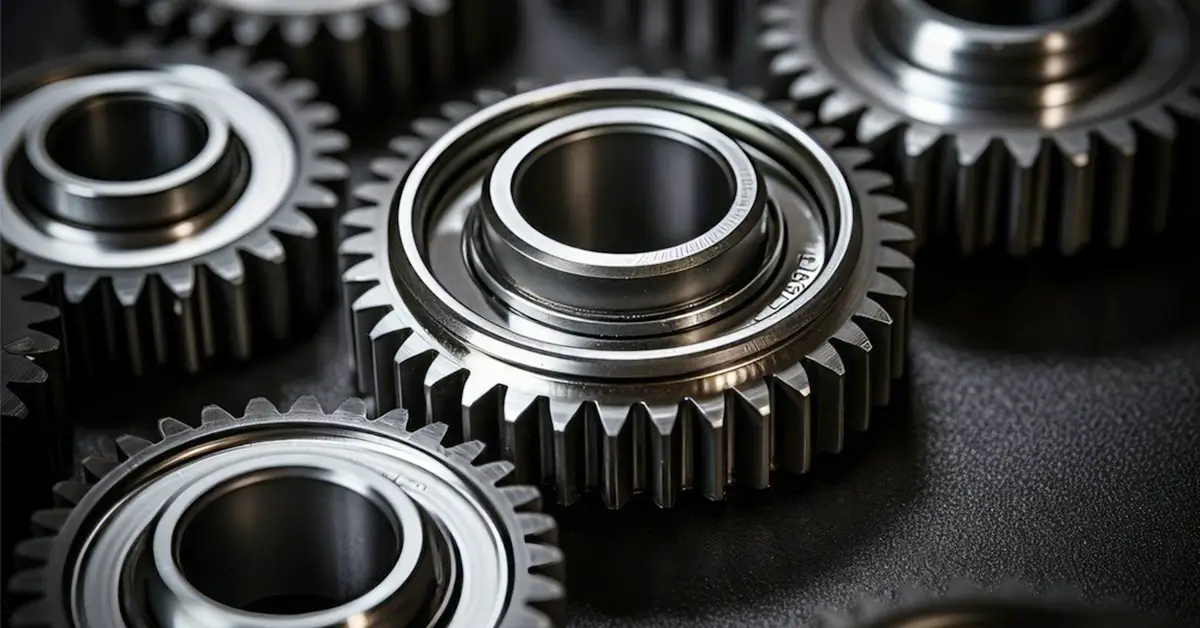
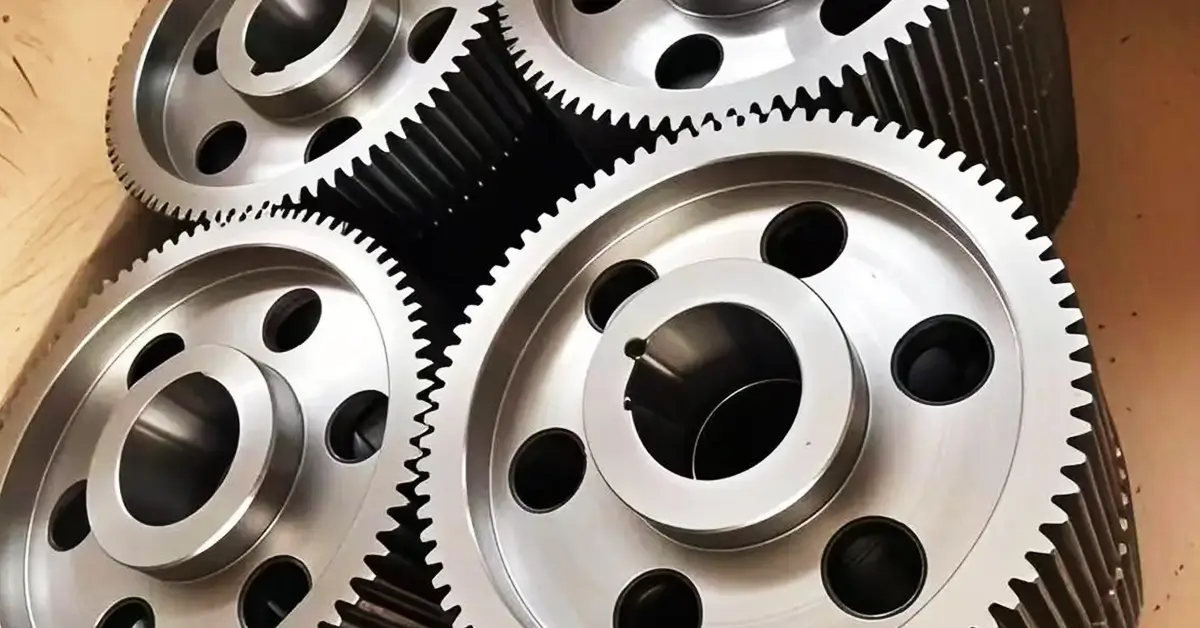
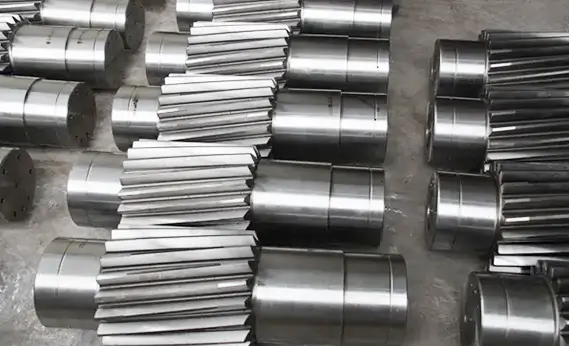
I. How Do Mechanical Gear Materials Affect Noise?
Gear noise primarily originates from contact, friction and vibration triggered by periodic fluctuations in tooth flank contact stiffness during gear meshing; combined effects of these parameters generate overall transmission noise. In this regard, mechanical gear materials function as a vibration regulator. Variations in material hardness, density, damping coefficient and other physical properties directly alter gear vibration frequency and resultant noise levels. Materials with superior elasticity feature internal molecular structures capable of absorbing and dissipating vibrational energy more efficiently, which curtails the quantity of vibration transmitted to bearings and housings before converting into audible noise. Put simply: higher material damping, lower elastic modulus and improved self-lubricating properties collectively yield quieter gear operation.
II. Diverse Mechanical Gear Materials Dictate Transmission Noise Levels
Each material boasts unique merits and applicable working conditions. Proper selection of high-precision gear materials not only upgrades mechanical performance but also optimizes equipment operating surroundings. Listed below are several mainstream mechanical gear materials from Songjie alongside their performance in transmission noise control:
2.1 Alloy Steel Gears
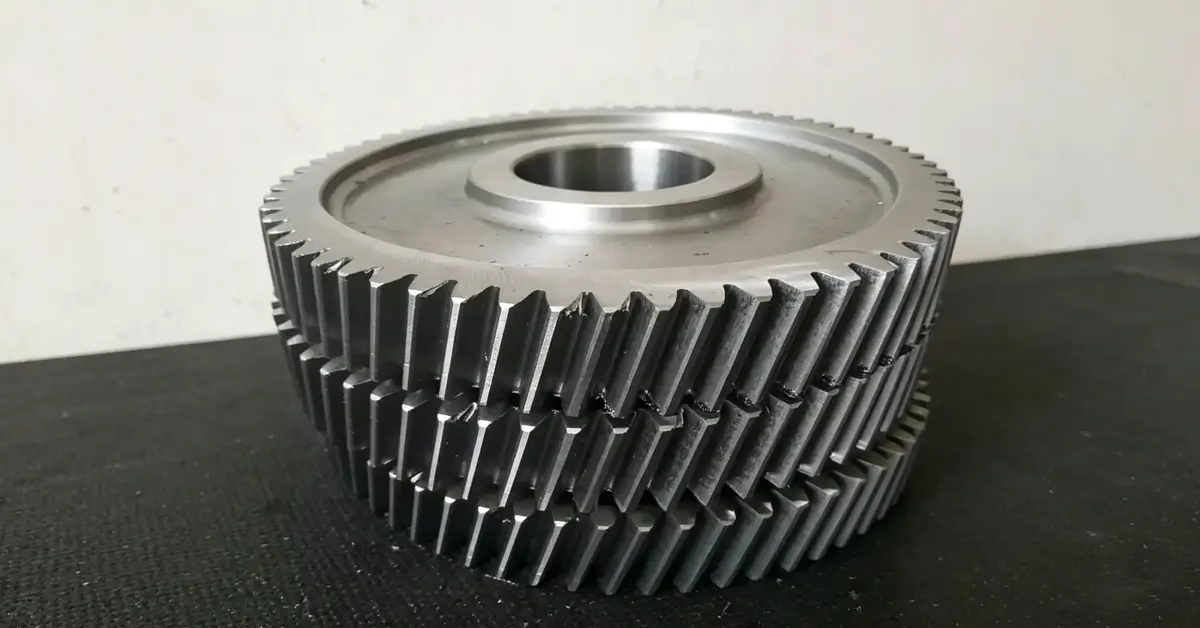
Alloy steel ranks among the most prevalent raw materials for industrial gear fabrication, distinguished by high tensile strength, exceptional hardness and outstanding wear resistance to sustain stable performance under heavy-load and high-speed operating circumstances. Specifically, alloy steel gears subject to quenching-and-tempering or carburizing-quenching treatment gain drastically elevated surface hardness, featuring superior load-bearing capacity, outstanding abrasion resistance and minimal deformation. Such characteristics efficiently mitigate friction and impact during gear meshing to lower overall noise output. While alloy steel delivers consistent noise control performance, its quiet operation largely hinges on heat treatment quality and tooth surface machining precision.
These gears are widely deployed in automotive transmissions, industrial reducers, construction machinery, wind power equipment and other fields demanding stringent precision and high mechanical strength.
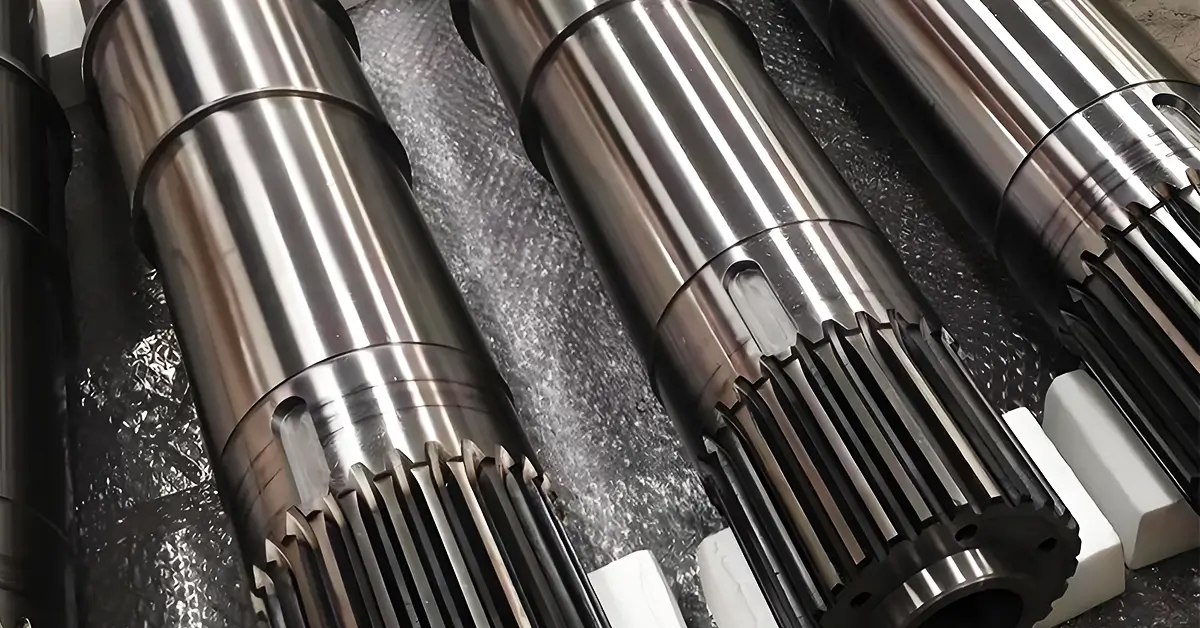
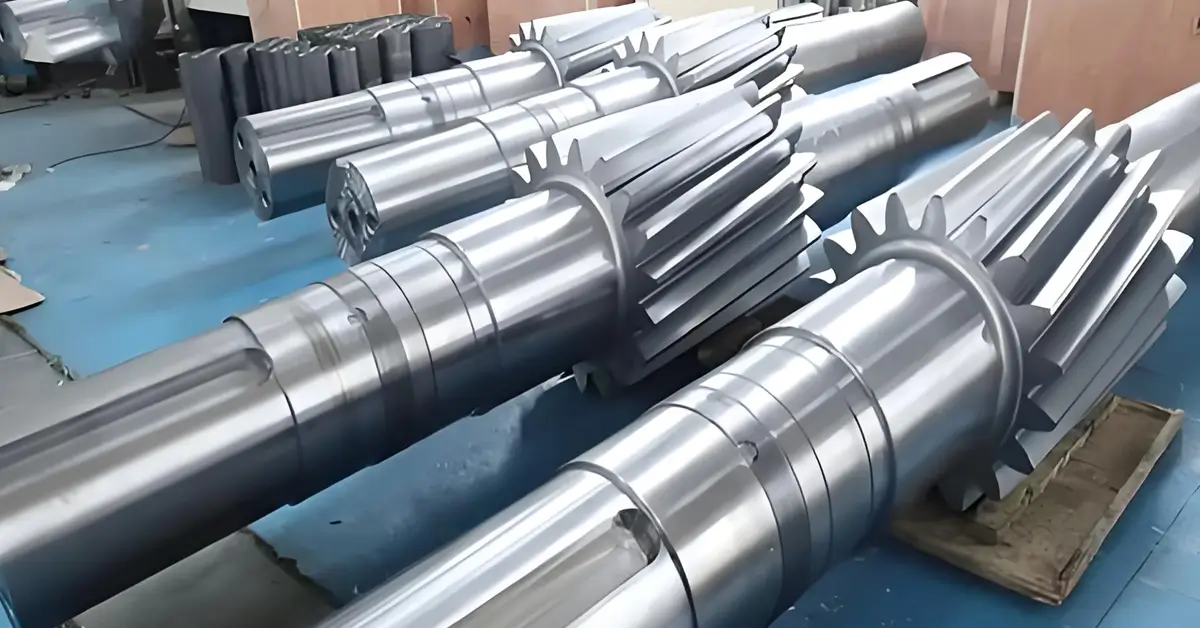
Songjie Field Application Cases: A well-known German wind turbine OEM has customized carburized and quenched steel gears from our company for multiple wind turbine gearbox projects over years. By optimizing tooth surface roughness and heat treatment processes, we achieved a 5 dB noise reduction and extended unit service life. Another new energy vehicle manufacturer purchases our custom final drive gears for transmissions made from 20CrMnTiH & 4340 alloy steel, plus motor output shaft gears of 4140 alloy steel. Our products fully satisfy clients’ rigorous requirements on premium NVH performance, ultra-high rotating speed, large torque and prolonged service lifespan. Leveraging precision machining and specialized surface treatment technologies, we cap transmission noise below 55 dB to deliver a quieter riding experience for end drivers.
2.2 Stainless Steel Gears
Stainless steel features prominent advantages including superior corrosion resistance, easy cleaning, stable surface appearance and high mechanical strength, alongside low material damping. From a noise control perspective, stainless steel gears are not inherently low-noise, with medium-to-low overall noise emission; their acoustic performance mainly depends on steel grade selection, heat treatment specification and tooth surface machining precision. For equipment requiring both corrosion resistance and effective noise reduction, further noise abatement is generally accomplished via comprehensive optimization of structural design, lubrication scheme and machining process.
Such gears are extensively used in corrosive and humid working conditions such as food processing machinery, medical apparatus, chemical equipment and offshore engineering, ideal for facilities with strict hygiene and environmental adaptability requirements.
Songjie Field Application Cases: A long-term New Zealand customer engaged in the medical device industry has been sourcing stainless steel gears for diagnostic equipment from us on an ongoing basis. This grade of mechanical gear material fully meets their stringent specifications for ultra-low noise, biocompatibility, high dimensional precision and dependable operational reliability.
2.3 Carbon Steel Gears
Carbon steel stands as a widely adopted base mechanical gear materials across the industry thanks to its relatively low cost, moderate hardness, balanced toughness and excellent machinability and weldability. It delivers medium-level transmission noise and tends to generate high-frequency meshing noise under high-speed operation, featuring no inherent noise-damping characteristics; hence noise reduction must be realized via precision machining and optimized lubrication.
Commonly manufactured from Grade 45 steel, carbon steel gears are extensively applied to conventional conveying machinery, small reduction gearboxes, agricultural equipment and general transmission assemblies. Preferred for cost-sensitive applications without stringent noise limits, carbon steel boasts outstanding cost-performance advantages for such equipment.
Songjie Field Application Cases: Multiple global conveyor equipment manufacturers custom-order Grade 45 through-hardened soft-tooth spur gears processed with high-frequency surface quenching, minor tip relief modification and gear shaving for enhanced precision. After processing, full-load noise is controlled within 74~77 dB, representing a noise drop of 12~15 dB, with consistent noise performance free of abnormal spikes over 12 consecutive months.
2.4 Cast Iron Gears
Thanks to the inherent graphite microstructure inside cast iron, the material features natural damping and vibration-absorbing capacity with low vibration transmissibility and minimal risk of resonance. Compared with conventional carbon steel gears, cast iron gears cut operating noise by 3~5 dB with superior vibration damping capability and no shrill high-frequency squealing, making cast iron a naturally low-noise metallic gear material. Furthermore, this mechanical gear material boasts excellent wear resistance and thermal stability, resisting deformation and abnormal noise even under long-term heavy-load operation.
Featuring favorable cost performance and excellent machinability for mass industrial production, cast iron gears are widely utilized in heavy-duty equipment including mining reducers, metallurgical machinery, drive gears for large fans and port lifting machinery.
Songjie Field Application Cases: Multiple European heavy equipment manufacturers adopt our QT500, HT200 and HT250 cast iron gears. Their heavy-duty units run continuously round-the-clock with strict specifications on vibration and steady noise control. Cast iron successfully eliminates high-frequency oscillation, noise pollution and equipment resonance faults, drastically reducing overall equipment failure rates.
2.5 Engineering Plastic Gears
Plastic gears achieve ultra-low noise transmission and rank as the premier option for precision light-load applications. They cut noise by approximately 40% or 10–15 dB versus conventional metal gears, with operating noise falling below 60 dB to enable near-silent power transmission. This type of mechanical gear materials features low density and superior self-lubricating capability, which rapidly absorbs vibrational energy and eliminates resonance noise.
These gears are widely applied in sectors requiring strict noise and sanitation standards, such as precision medical equipment, food processing machinery, office automation devices, electronic products, smart home transmission components and miniature geared motors.
Songjie Field Application Cases: Noise performance is critical for many home appliance manufacturers that source custom plastic gears from us. Our bespoke gears not only fulfill requirements for quiet indoor operation and high-precision performance but also leverage the material’s self-lubricating property to greatly prolong gear service life during extended continuous running.
III. FAQs on Mechanical Gear Materials
A: Not necessarily. Material is merely one key contributing factor. Gear profile machining precision, heat treatment, assembly quality, lubrication and operating conditions all exert impacts on noise output.
A: Engineering plastics generally perform best for low-speed, light-load applications; alloy steel is preferred for heavy-duty service to balance structural strength and operational stability.
A: For most industrial working conditions, premium alloy steel gears with optimized heat treatment and high-precision machining provide a well-balanced solution.
Conclusion
In conclusion, the selection of mechanical gear materials largely defines the transmission noise level. Apart from the above-listed grades of materials, Songjie also offers custom-made copper alloy gears, aluminum alloy gears and powder metallurgy gears. In addition to how materials affect noise performance, the choice of grinding and honing procedures for mechanical gears manufacturing acts as another pivotal determinant of noise reduction efficiency.
As a professional custom gear manufacturer, Songjie supports gears made from various materials. If needed, please send us your drawings and contact us.