
Uncovering Performance Advantages of Steel Gears Made from Diverse Materials
Why do some gears suffer frequent wear and fracture with a service life of less than three months, while others operate flawlessly for a decade with consistent performance, even though they are all gears at core? Fundamentally, the root cause lies in the selection of steel materials. Variations in chemical composition, microstructure and heat treatment processes of different steels directly govern key properties of steel gears, including mechanical strength, wear resistance, fatigue life, as well as overall cost performance. For buyers, selecting the optimal material translates to steadier transmission efficiency and extended service life. This article elaborates on the merits of mainstream steel grades for gear manufacturing available on the market.
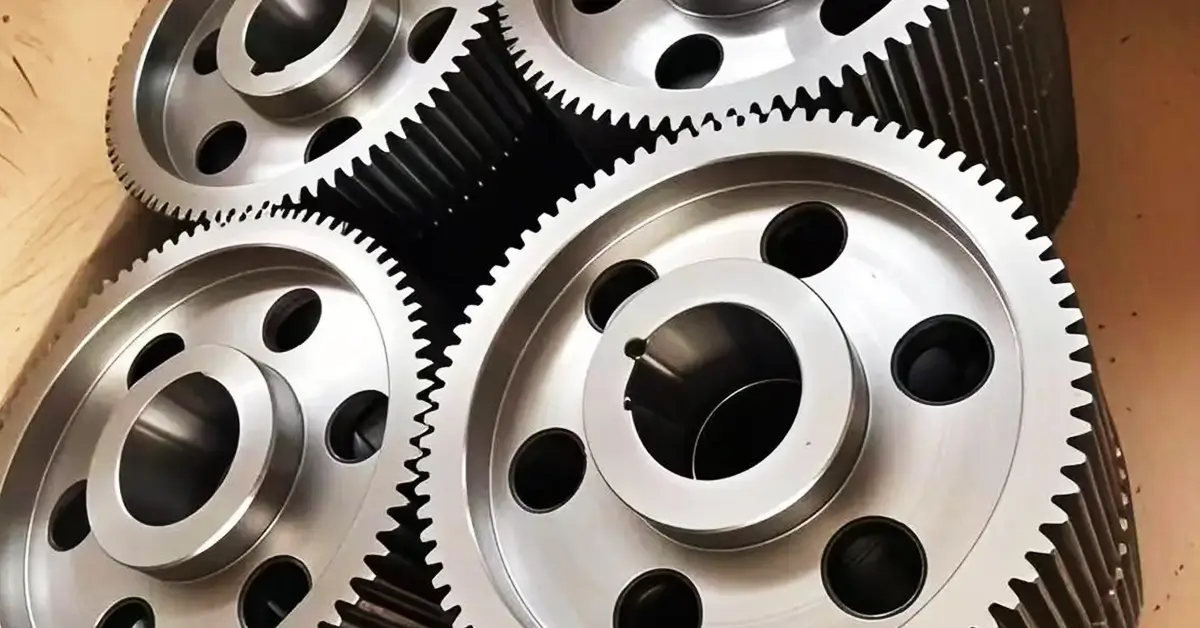
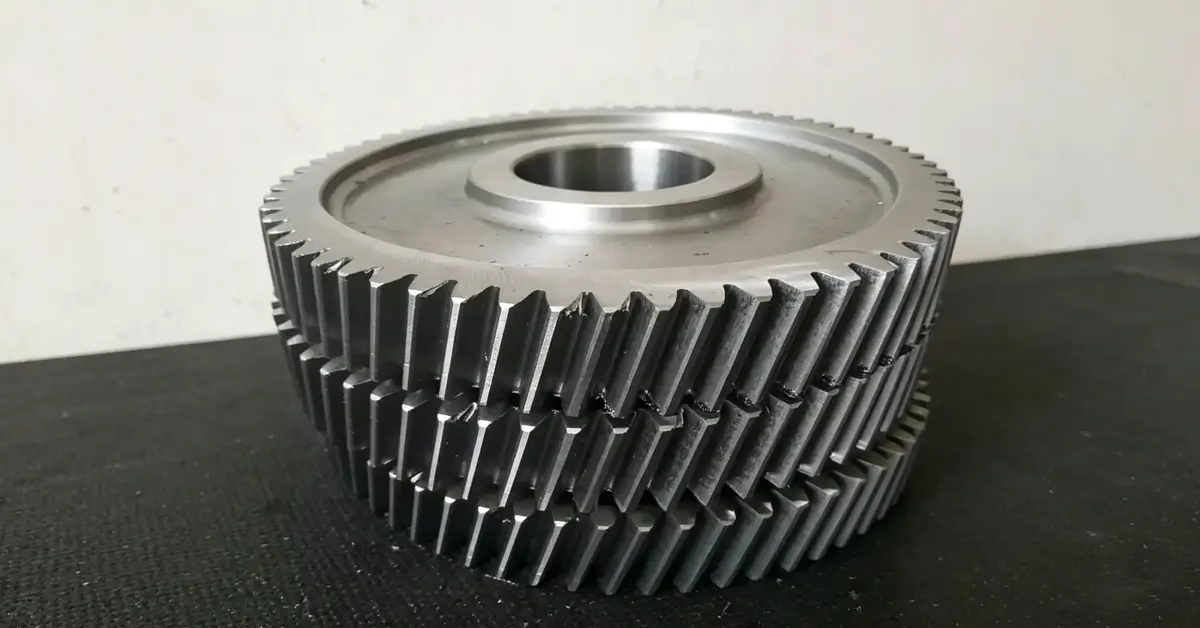
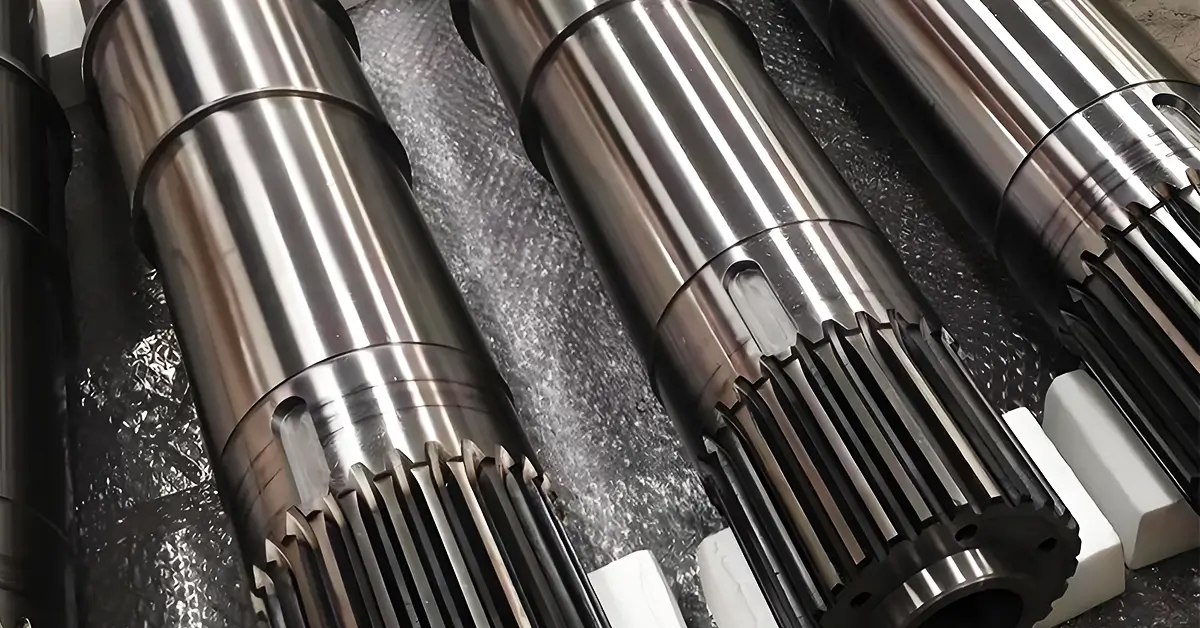
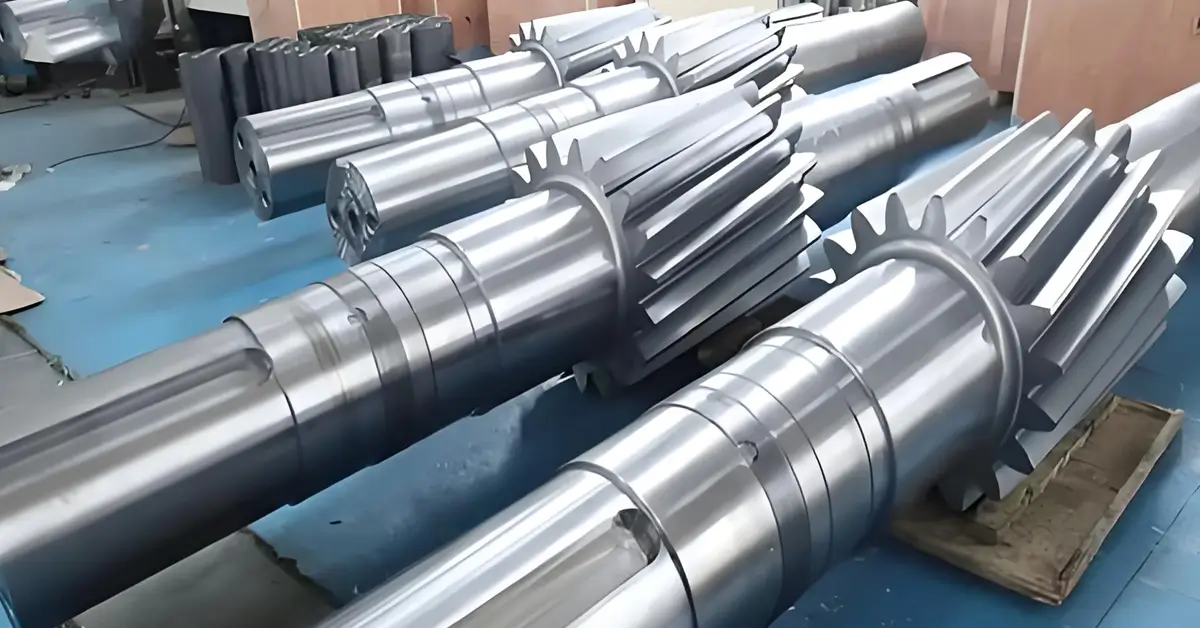
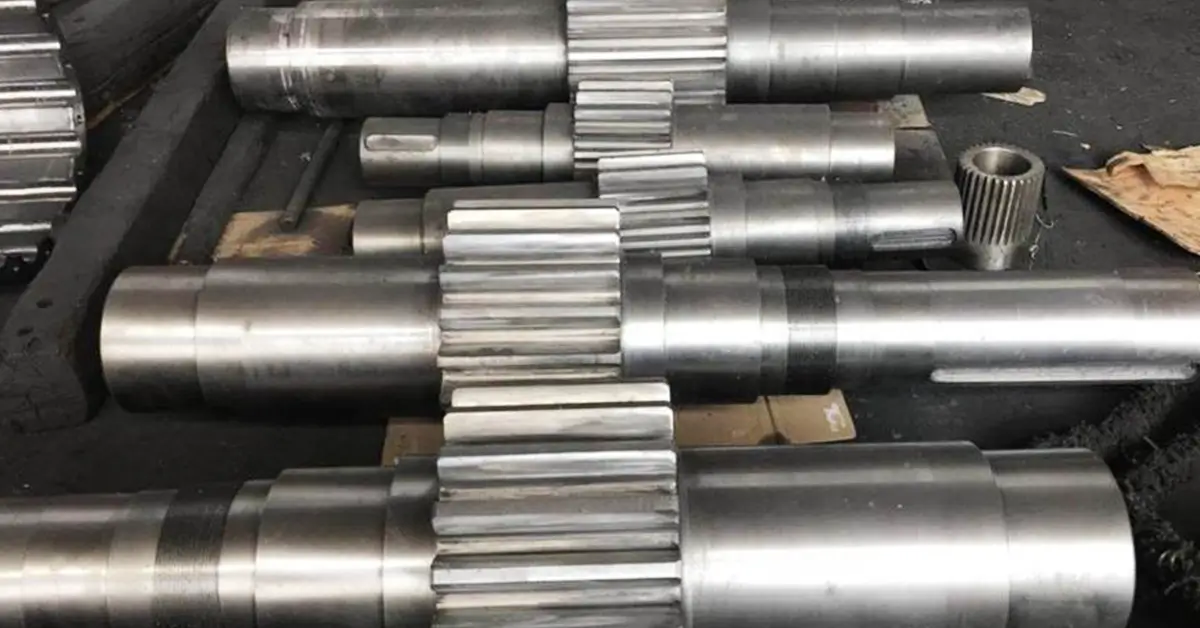
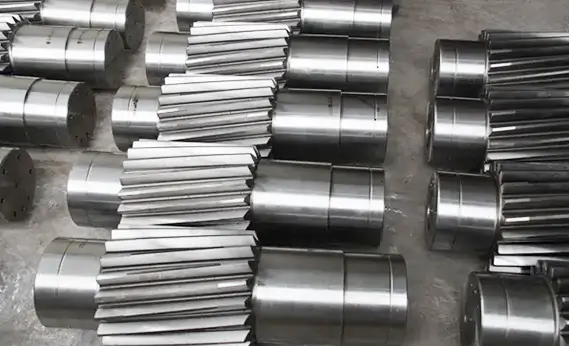
I.Performance Advantages of Steel Gears Made from Different Materials
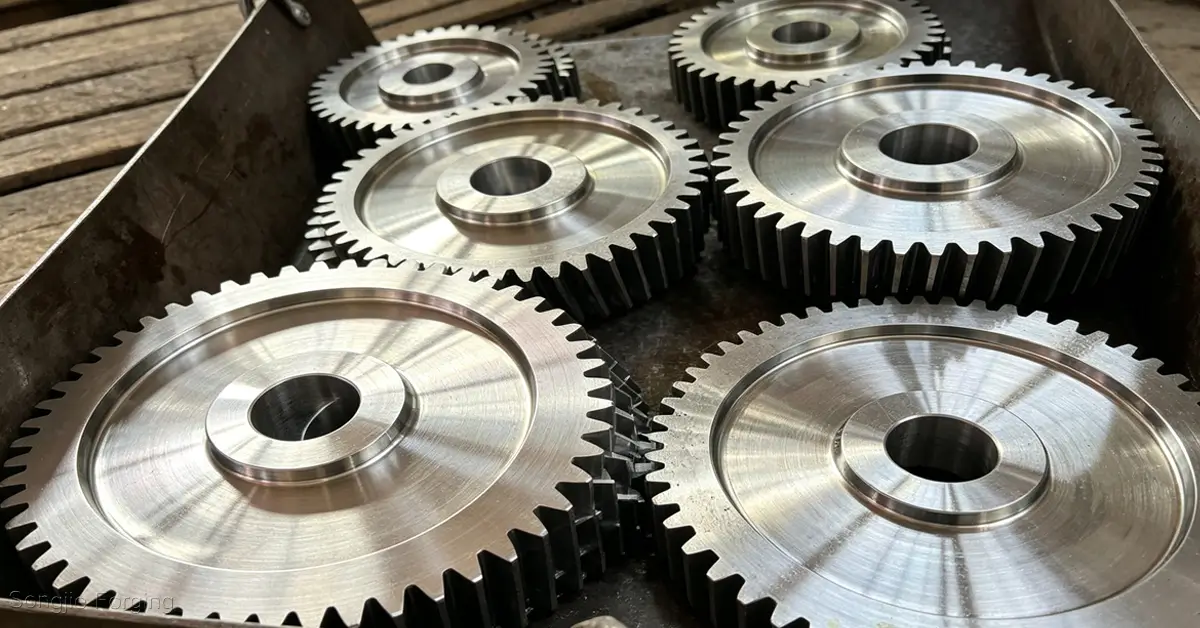
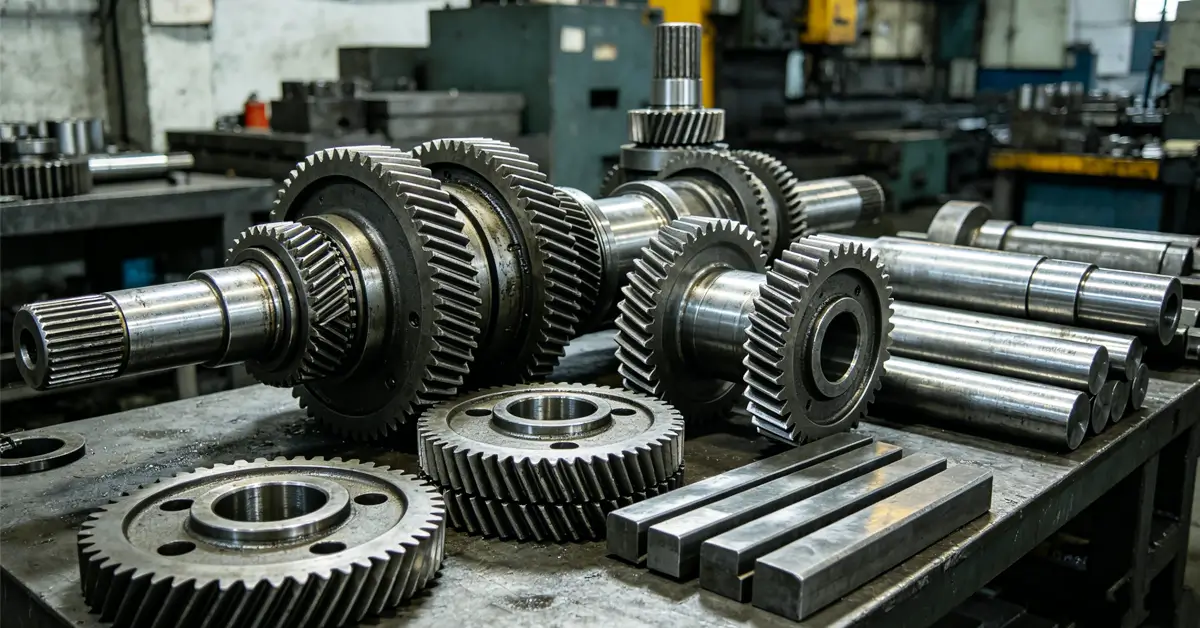
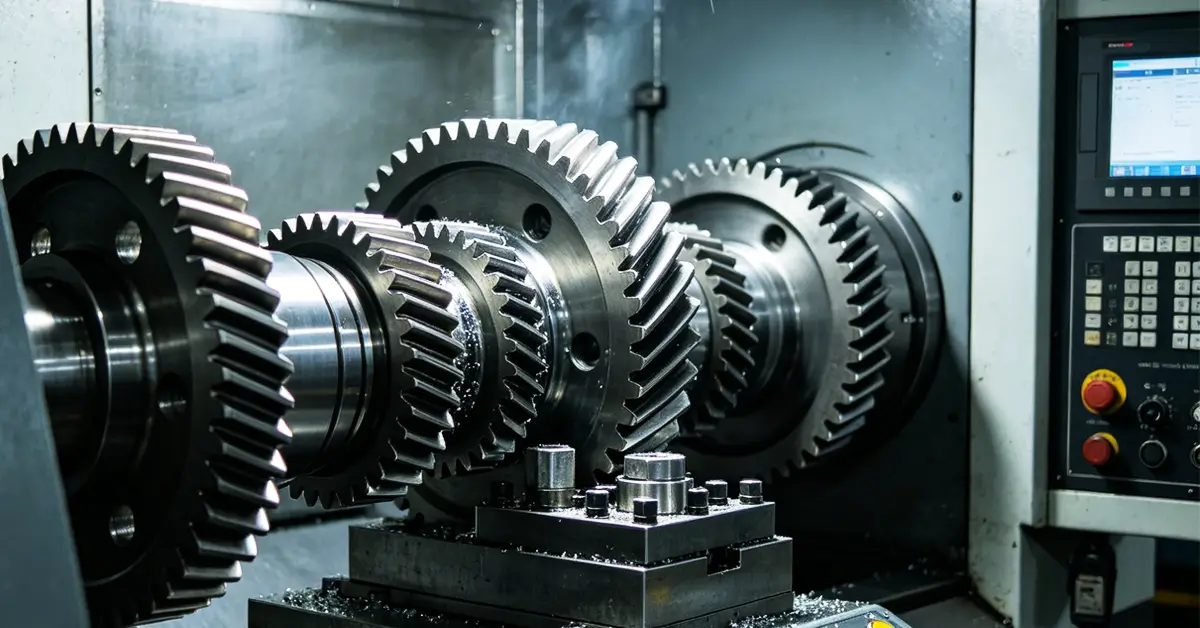
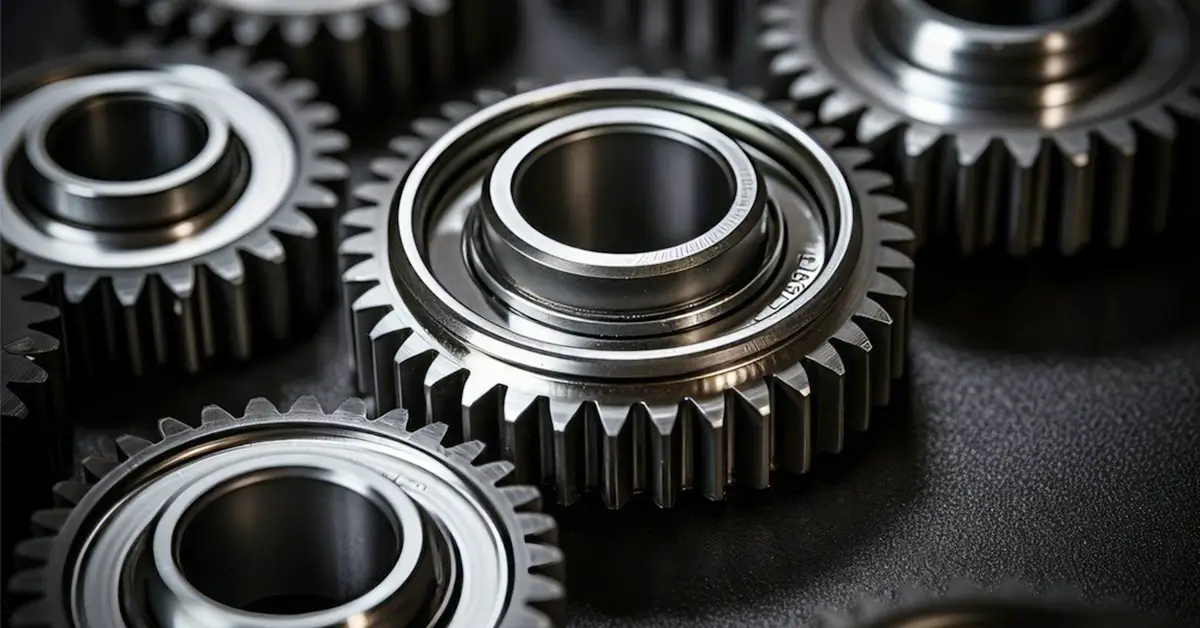
As the core components of mechanical transmission systems, gears’ material selection directly determines the service life, noise level and load-bearing capacity of the entire transmission system. Steel grades widely adopted for industrial gears fall into carbon structural steel, low-alloy carburizing steel, medium-alloy quenched and tempered steel, alloy structural steel, stainless gear steel and other categories. Each material boasts distinct performance strengths, process characteristics and applicable working conditions, covering full-spectrum application demands ranging from light-load general use to heavy-duty precision applications, as well as conventional operating environments to special anti-corrosion service conditions.
1.Carbon Steel Gears – Ultimate Cost Performance
Carbon steel gears with outstanding cost performance are your top choice if your gears operate under low load, low speed and without severe impact loads.
1.1 Common Grades
1045, C45, S45C, Q235, 20#, 35#, 45#, 50# steel, etc.
1.2 Performance Advantages
- Excellent machinability with minimal tool wear
- Sufficient wear resistance achievable via high-frequency surface quenching
- Favorable strength and surface hardness
- Tolerable to moderate impact loads
- Balanced comprehensive mechanical properties after quenching and tempering
- High production efficiency and superior workability
- Highly competitive cost, ideal for mass production
2.Alloy Structural Steel Gears– High Performance & Extended Service Life
This material category covers quenched and tempered alloy steel, carburizing alloy steel and premium alloy steel. It is widely applied to high-end gears with superior overall performance, suitable for working conditions demanding long service life, high precision and outstanding reliability. Despite higher material costs and stricter processing requirements, it is extensively used in high-end manufacturing industries.
2.1 Common Grades
20CrMnTi, 16Mn, 20Cr2Ni4, 36CrNiMo4, 17CrNiMo6, 18CrNiMo7-6, 42CrMo4, 16MnCr5, 4340, 40Cr, 42CrMo, SCM440, 35CrMo, 8620, 4140 steel, etc.
2.2 Performance Advantages
- Excellent hardenability and fatigue resistance
- High strength and resistance to high-temperature impact
- Exceptional comprehensive mechanical properties
- High toughness and superior wear resistance
- Minimal quenching distortion and prolonged service life
- Good weldability and high tooth surface hardness
3.Stainless Steel Gears–First Choice for Corrosive Environments
Rust constitutes the biggest hazard to steel gears in chemical, food processing and marine service environments. Therefore, stainless steel gears are critical to guarantee stable equipment operation under such special working conditions. Their outstanding corrosion resistance secures reliable performance and hygienic properties even in harsh environments.
3.1 Common Grades
304, 316, 316L, 420, 440C, 431, 17-4PH steel, etc.
3.2 Performance Advantages
- Excellent oxidation and corrosion resistance
- Attractive appearance, long service life and easy cleaning
- No surface coating or frequent anti-rust maintenance required
4.Tool & Die Steel Gears– Customized Solutions for Extreme Working Conditions
Die steel is a core subcategory of alloy tool steel. Gears fabricated from die steel are customized special gears engineered for extreme operating conditions. Taking advantage of die steel’s inherent high hardness, superior wear resistance, high compressive strength and dimensional stability, they address tough transmission challenges such as severe abrasion, high temperatures and heavy extrusion loads that standard steel gears cannot endure. They are not general-purpose gear materials and are primarily used for custom transmission parts requiring small-batch production, ultra-high precision or operation under severe service conditions.
4.1 Common Grades
H13, SKD11, Cr12MoV, DC53, D2, S7 steel, etc.
4.2 Performance Advantages
- Ultra-high hardness and outstanding wear resistance
- Excellent thermal stability and thermal fatigue resistance
- Good machinability and superior dimensional stability
- Exceptional contact fatigue resistance and compressive strength
- Minimal distortion after heat treatment with high dimensional accuracy
- Extended service life and low total life-cycle cost
II. FAQs Regarding the Advantages of Various Steel Gears
A1: Each has its own strengths. Carburized steel gears deliver superior surface contact fatigue performance and wear resistance, while alloy structural steel gears feature better overall strength and impact resistance. The actual service life is determined by specific working conditions and heat treatment processes.
A2: Stainless steel is rarely adopted for general transmission applications except in special environments. It comes with higher costs, and its wear resistance generally fails to meet the requirements of heavy-load gears.
A3: Excessively high hardness will increase brittleness and reduce the bending strength at gear roots. The optimal balance for carburized steel gears is a surface hardness of HRC 58–62; harder surfaces will lead to tooth chipping instead. Therefore, steel gears with matched materials should be selected based on your project requirements.
III. Conclusion
The performance discrepancies among steel gears essentially stem from the combined effects of material grades, heat treatment procedures and actual service conditions. Accordingly, gear material selection requires comprehensive consideration of operating environment, load conditions, expected service life, cost budget and other relevant factors. Besides gears manufactured from the above materials, Songjie also offers custom gear fabrication. We strive to fully cater to all customer demands for steel gear applications with various materials and deliver reliable technical support. Feel free to contact us at any time.