
How to Process Precision Gear?
Why do gears processed from the exact same drawing deliver vastly different performance?It hinges on the machining process adopted by the producer. Diverse machining methods for precision gear directly determine their final accuracy grade, surface roughness, load-bearing capacity and NVH (Noise, Vibration and Harshness) performance.So, what are the mainstream machining processes for precision gears? This article will conduct a professional in-depth breakdown, assisting end users, gear stockists and manufacturers in selecting the optimal gear steel materials and processing solutions.
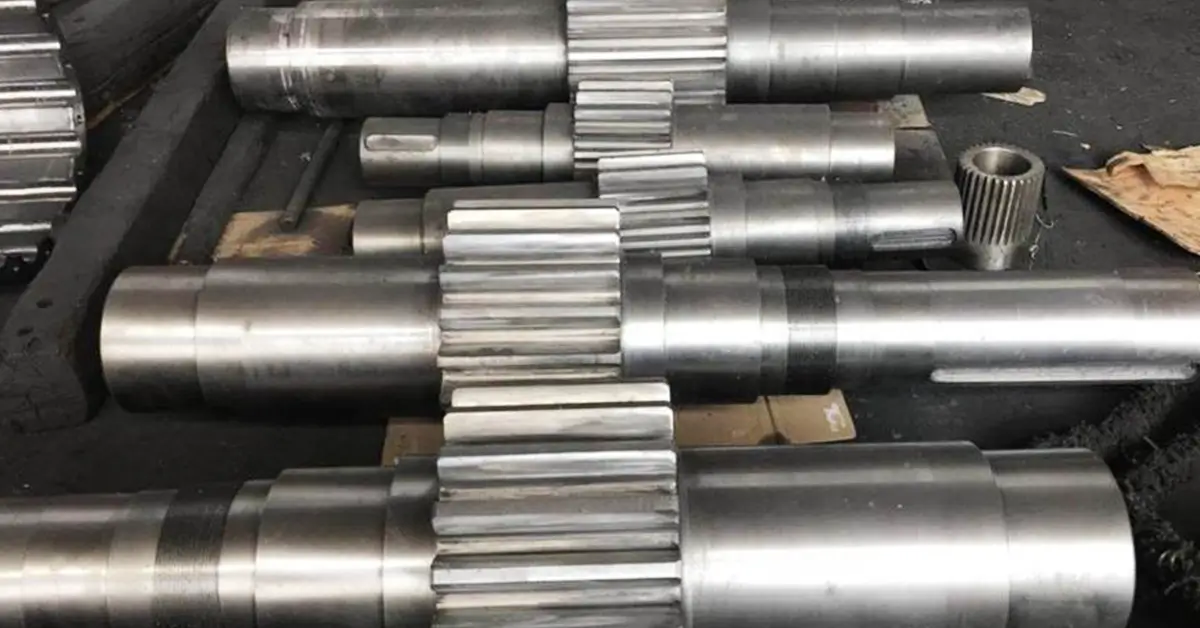
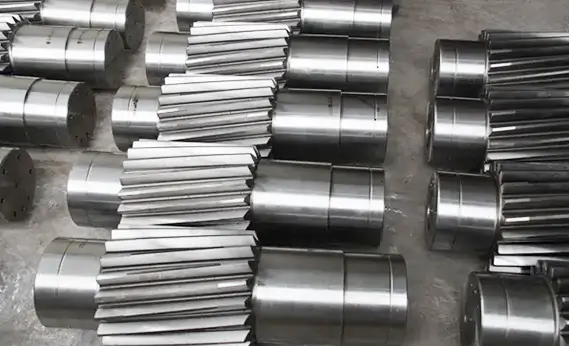
Ⅰ.Gear Hobbing
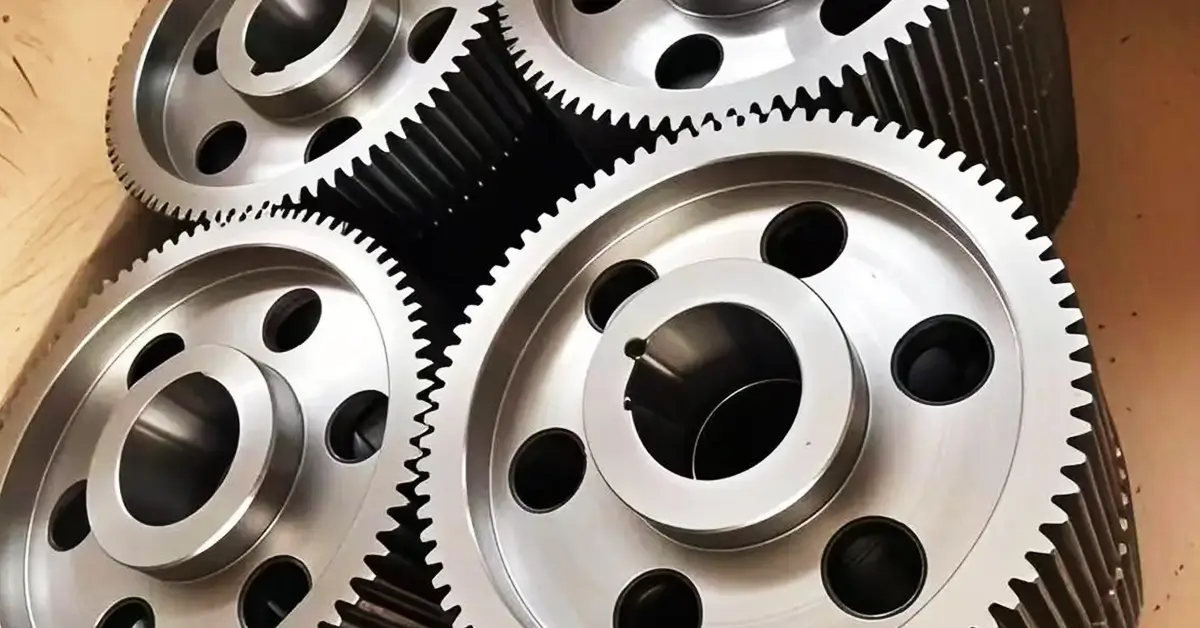
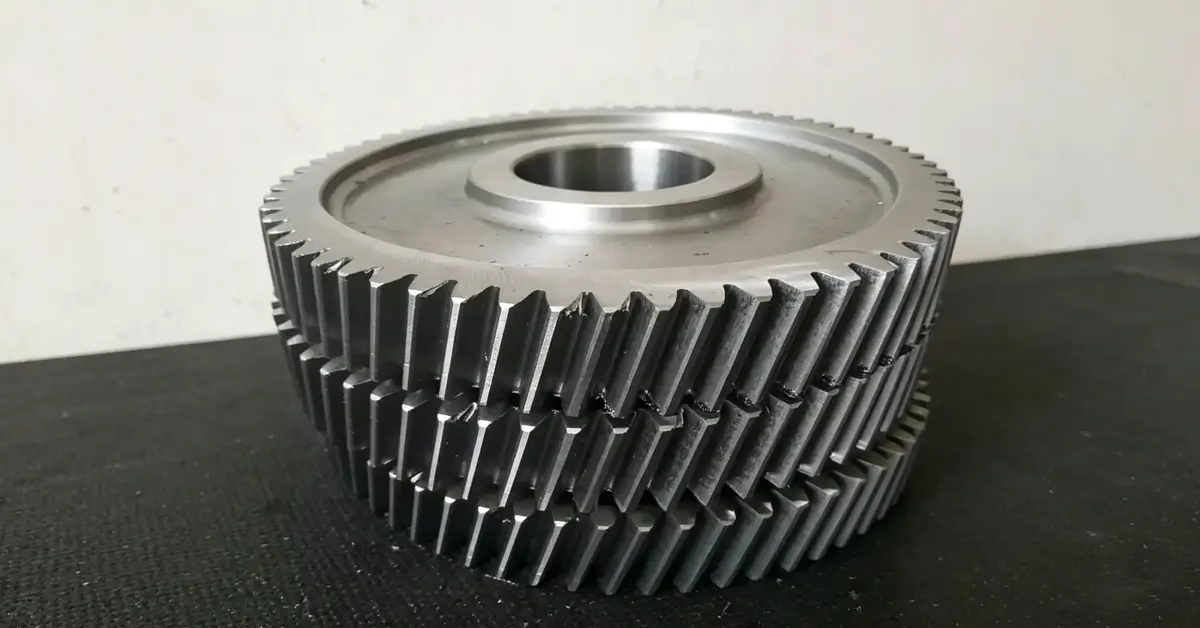
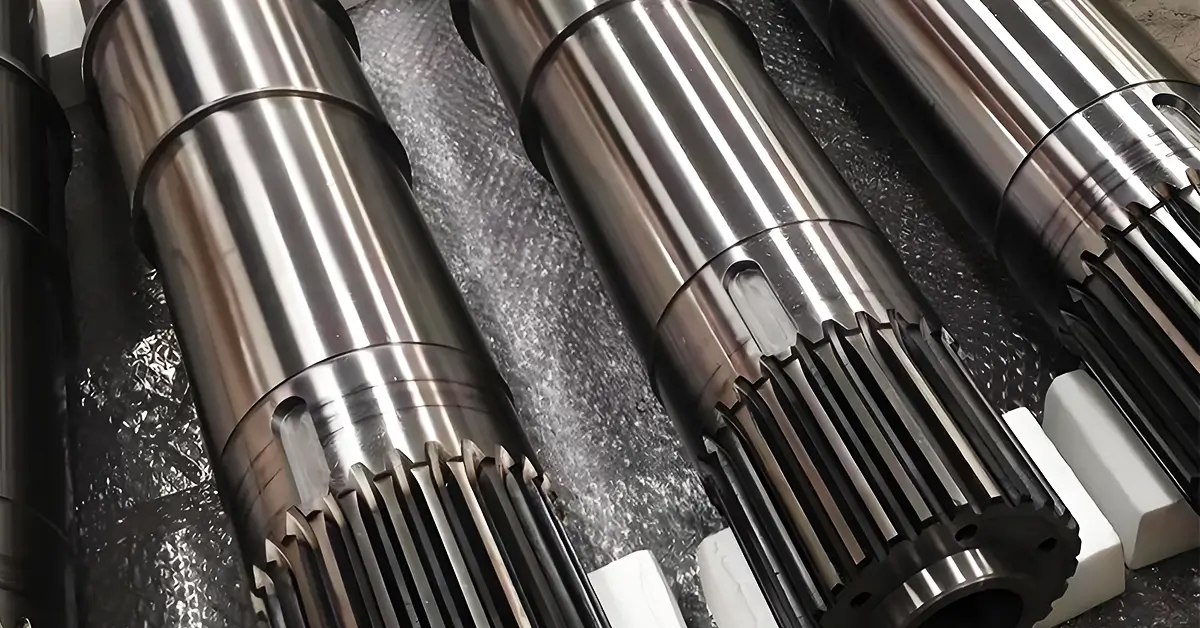
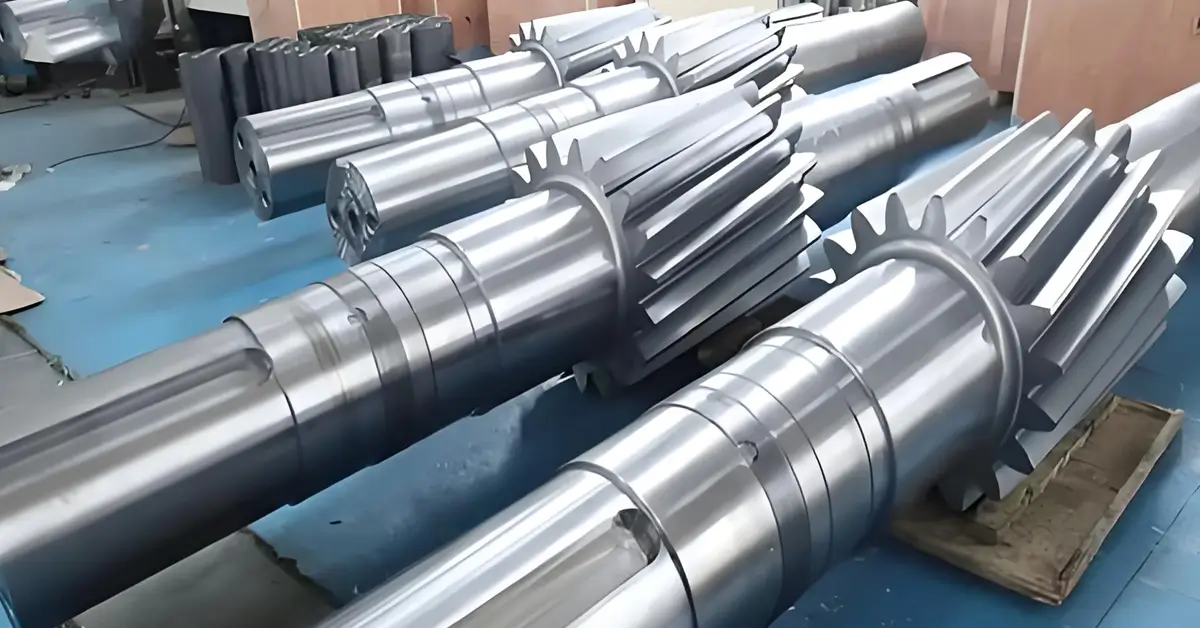
When it comes to precision gear machining, gear hobbing is a classic, efficient and conventional gear manufacturing process. It is particularly suitable for mass production of aluminum alloy steel gears. Thanks to the excellent machinability of aluminum alloy steel, the efficiency advantages of gear hobbing can be maximized. Renowned for high efficiency and stable performance, this process is widely applied to process spur gears and helical gears.
1.1 Gear Hobbing Process Flow
First, gear blanks undergo pre-treatment to improve machinability and prevent machining deformation. After pre-treatment, rough turning is performed to finish the blanks, establishing benchmarks for outer circle, inner bore and end face to lay a foundation for subsequent hobbing.Next, the workpiece is clamped on the machine tool, and the angle and position of the hob are adjusted in accordance with gear design parameters. Afterwards, the hob and the workpiece rotate synchronously. The cutting movement simulates gear meshing to form complete gear teeth step by step. Finally, finishing and inspection are conducted on the gear surface to enhance surface finish and dimensional accuracy.
1.2 Gear Hobbing Application Scope
This process is applicable to mass production of small and medium-sized precision gears, especially high-precision components such as automotive transmission gears, industrial transmission gears and small motor gears.
1.3 Gear Hobbing Process Characteristics
For precision gear, gear hobbing features high efficiency and low comprehensive cost. Its production efficiency is 30%-50% higher than other processes in mass production.In addition, it boasts strong versatility. It can machine spur and helical aluminum alloy steel gears as well as worm gears, and a single set of hobs is compatible with gears of multiple modules.
Ⅱ. Gear Shaping
Gear shaping is a specialized process for machining internal gears and precision gears with special profiles. Unlike gear hobbing, gear shaping adopts a shaping cutter to cut gear teeth through reciprocating motion, whose working principle is equivalent to two gears rolling against each other.
2.1 Gear Shaping Process Flow
The procedures consist of gear blank pretreatment, rough machining, cutter mounting, workpiece clamping, tooth profile cutting and surface treatment. The gear shaper cutter performs vertical reciprocating cutting inside the precision gear to gradually form the tooth profile of internal gears. After machining, tooth surface grinding and finishing are generally required to improve gear hardness and surface quality.
2.2 Gear Shaping Application Scope
This process is widely used for planetary gearboxes, internal gear rings, differentials, hydraulic pump gears, stainless steel precision internal gears and similar parts. It is ideal for small and medium-batch production.
2.3 Gear Shaping Process Characteristics
The biggest advantage of gear shaping lies in its high processing flexibility. It can fabricate complex internal tooth profiles, including internal gears, step gears, duplex precision gears, and external gears with interfering contours — functions that gear hobbing cannot achieve. In addition, gear shaper cutters feature flexible design and can meet the machining requirements of various complex tooth profiles.
Ⅲ. Gear Grinding
Gear grinding is an indispensable process when precision gear require ultra-high accuracy and superior surface finish. It adopts high-speed rotating grinding wheels to perform precise grinding on tooth profiles, removing microscopic surface defects and realizing the ultra-precision finishing of gear components.
3.1 Gear Grinding Process Flow
Gear grinding is generally carried out after the rough machining and heat treatment of transmission gears. First, the gear is clamped on a gear grinding machine, and a suitable grinding wheel is selected. Afterwards, the tooth profile is trimmed and finely optimized through high-precision grinding motion. Finally, precision inspection is implemented to ensure the dimensional accuracy and surface quality fully comply with design specifications.
3.2 Gear Grinding Application Scope
It is applied to the manufacturing of high-end precision gears, including core transmission parts in aerospace transmission systems, medical equipment, wind turbine gearboxes, precision servo reducer gears, high-grade machine tool spindles and high-performance automobiles. Such working scenarios impose stringent requirements on transmission stability, noise control and service life, which can only be satisfied by the gear grinding process.
3.3 Gear Grinding Process Characteristics
As the ultimate accuracy guarantee for high-precision hardened gears, gear grinding is the only finishing method that can thoroughly eliminate heat treatment deformation and greatly improve gear precision.It delivers prominent advantages including superior accuracy, perfect adaptability to hardened tooth surfaces, excellent wear resistance and outstanding surface finish, fully meeting the strict standards of high-end equipment. Nevertheless, it comes with higher processing costs, and is mostly adopted for small-batch production or high-value-added products.
Ⅳ. Gear Shaving
Many customers using aluminum alloy steel pursue high precision while avoiding the high cost of gear grinding. Gear shaving is a cost-effective finishing process designed for soft tooth surfaces (non-quenched gears). It can rapidly correct dimensional errors caused by gear hobbing or gear shaping, and effectively improve gear tooth accuracy and surface quality.
4.1 Gear Shaving Process Flow
First, rough machining of steel gears is completed by hobbing or shaping to form the basic tooth profile. The shaving cutter functions as a special gear with cutting edges on its tooth flanks. By means of free meshing and rolling motion between the shaving cutter and the steel workpiece, micro cutting is performed to remove machining allowance from the tooth surface. Finally, tooth surface optimization, deburring and quality inspection are carried out.
4.2 Gear Shaving Application Scope
Gear shaving is the optimal solution for mass-produced automotive gears, motorcycle transmission gears, power tool gears and similar components. It is highly suitable for mass-produced precision gear that require non-quenched treatment and medium precision.
4.3 Gear Shaving Process Characteristics
This precision gear machining method features high productivity, low production cost and smoother tooth surfaces. It reduces meshing wear, extends service life, and imposes no quenching restrictions, delivering comprehensive cost-performance advantages for soft gear finishing.
FAQ on Precision Gear Machining Methods
Q1: How much more expensive is gear grinding than gear shaving?
A1: Costs vary by equipment, cutting tools and processing time. Gear grinding is generally 20%–100% more costly than gear shaving, yet it is an essential investment for high-precision gear products.
Q2: How to effectively reduce gear operating noise?
A2: Improve tooth surface precision by gear grinding, correct meshing deviation, adopt reasonable carburized layers and tooth surface coatings, and ensure precise assembly concentricity and proper lubrication matching.
Q3: Why is gear grinding or gear honing mandatory after heat treatment?
A3: Heat treatment (carburizing and quenching) will cause gear deformation and form scale on the surface. Gear grinding eliminates thermal deformation and restores dimensional accuracy, while gear honing optimizes surface roughness. For gears of DIN Class 5 and above, gear grinding is practically indispensable.
Q4: How to verify whether gear machining precision meets standard requirements?
A4: Core inspection items include tooth profile error, lead error, pitch error, radial runout, contact pattern and other key indicators.
Q5: Is gear grinding a must for all precision gear?
A5: Not necessarily. If products have low requirements on precision, noise performance and post-heat-treatment modification, gear shaving, gear honing or other finishing processes can also meet production demands. However, gear grinding is the more reliable option for applications requiring high-precision meshing after heat treatment.
Conclusion
In addition to the above processes, we also provide gear honing, gear skiving, gear broaching, electrical discharge machining (EDM) and other processing methods for precision gear. As a professional precision gear manufacturer, Songjie offers a full range of machining solutions and is committed to delivering optimal gear for customers. In particular, it can also meet the needs of more high-end applications. It has rich experience in the processing of high precision gears, continuously optimizes, pursues high quality, and customizes key components that meet your requirements.